Optimal Timing for Silt Fence Installation
Determining the optimal time for silt fence installations involves considering weather conditions, soil stability, and project timelines. Proper timing ensures effective sediment control and minimizes installation challenges.
Spring and fall are generally ideal for silt fence installation due to moderate weather conditions and soil moisture levels.
Avoid installation during heavy rain or freezing temperatures to prevent soil erosion and ensure proper fence anchoring.
Install prior to construction activities that disturb soil to maximize sediment control effectiveness.
Ensure soil is stable and not overly saturated or frozen for secure installation.
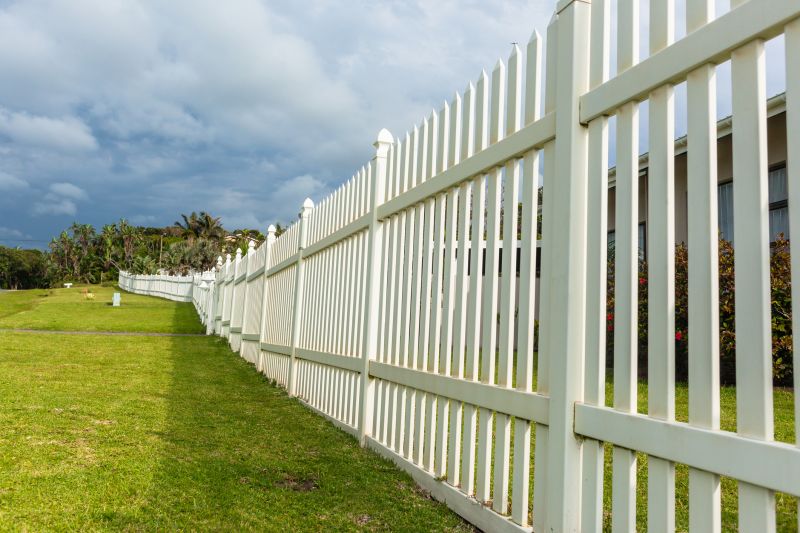
Ways to make Silt Fence Installations work in tight or awkward layouts.
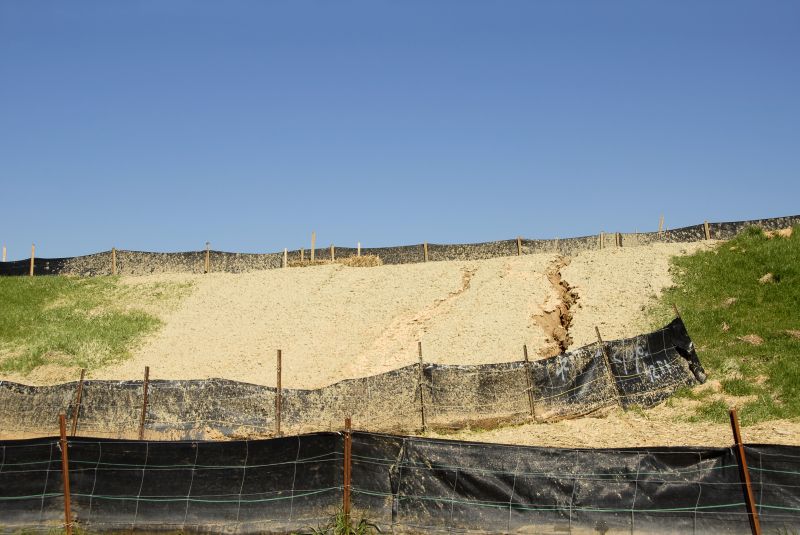
Popular materials for Silt Fence Installations and why they hold up over time.
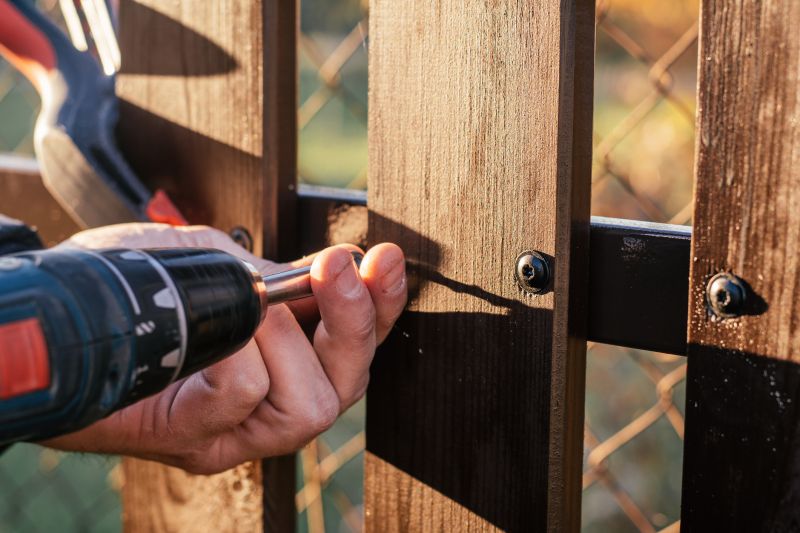
Simple add-ons that improve Silt Fence Installations without blowing the budget.
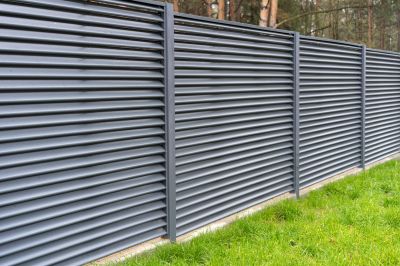
High-end options that actually feel worth it for Silt Fence Installations.
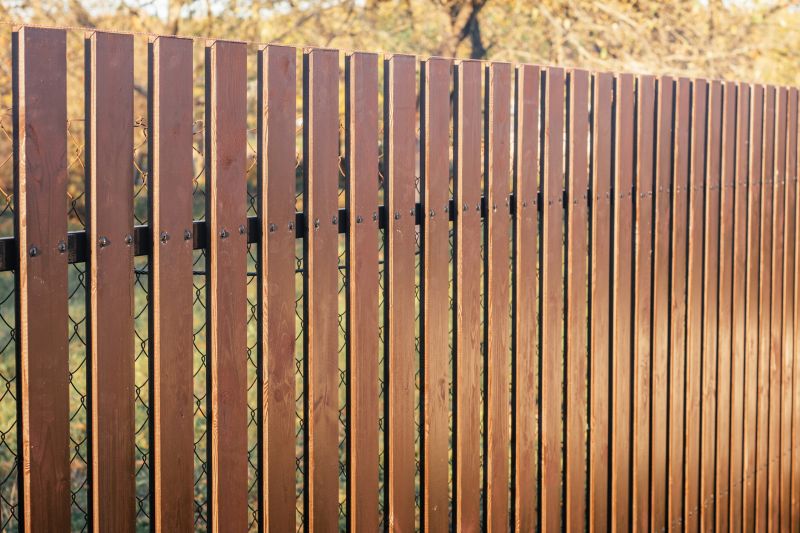
Finishes and colors that play nicely with Silt Fence Installations.
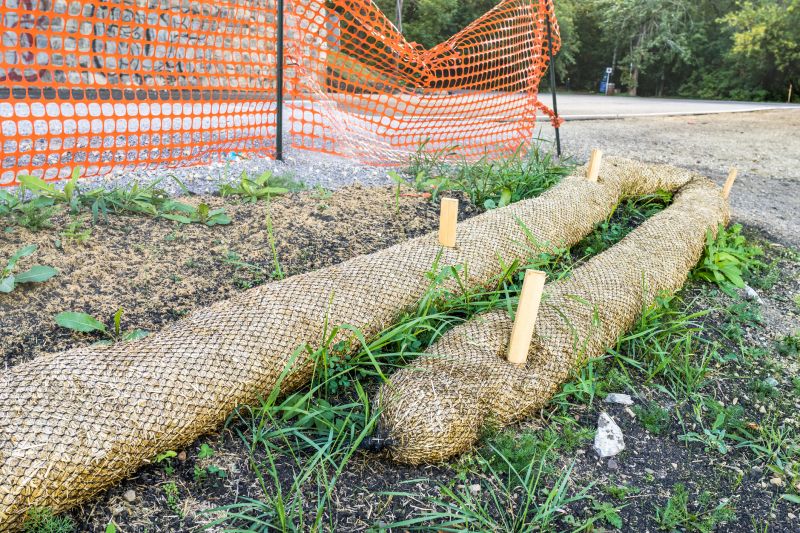
Little measurements that prevent headaches on Silt Fence Installations day.
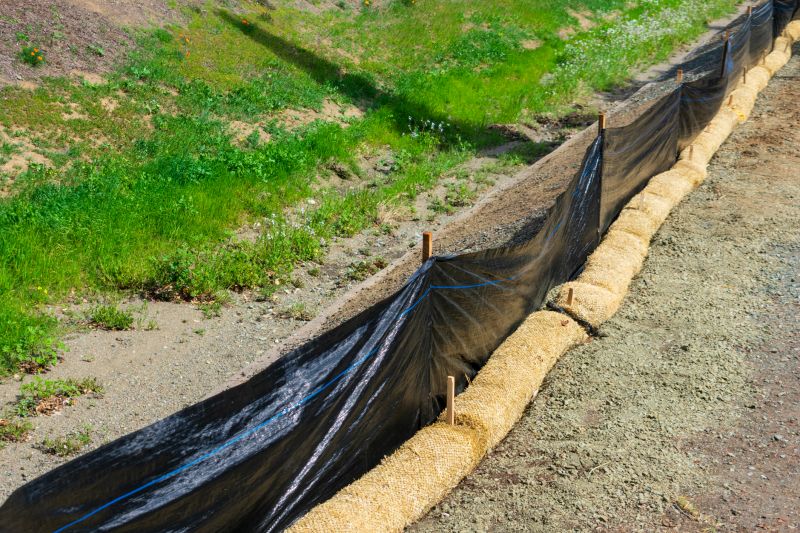
Silt fence installations are a critical component of erosion and sediment control strategies on construction sites and disturbed lands. These barriers are designed to intercept sediment-laden runoff, preventing it from leaving the site and polluting surrounding areas. Proper installation and timing are essential to maximize their effectiveness. Typically, silt fences are installed before ground disturbance begins, especially in seasons with moderate weather conditions, to ensure sediment retention during the entire construction process.
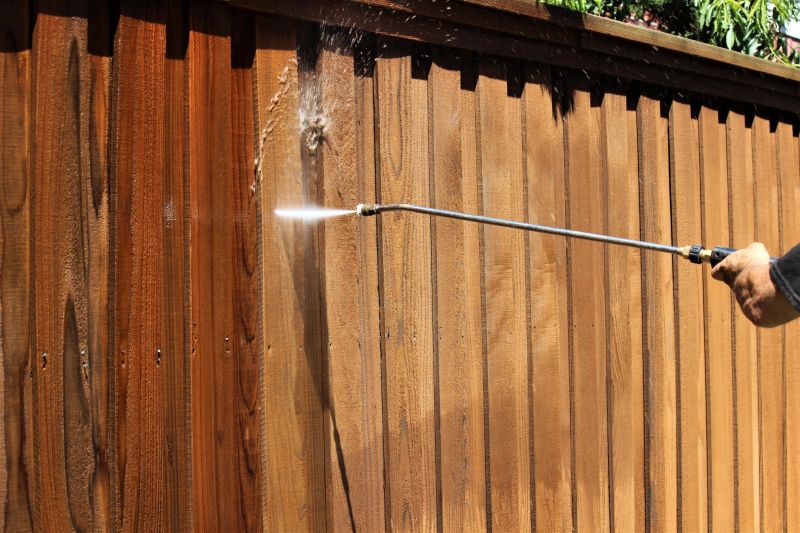
A 60-second routine that keeps Silt Fence Installations looking new.
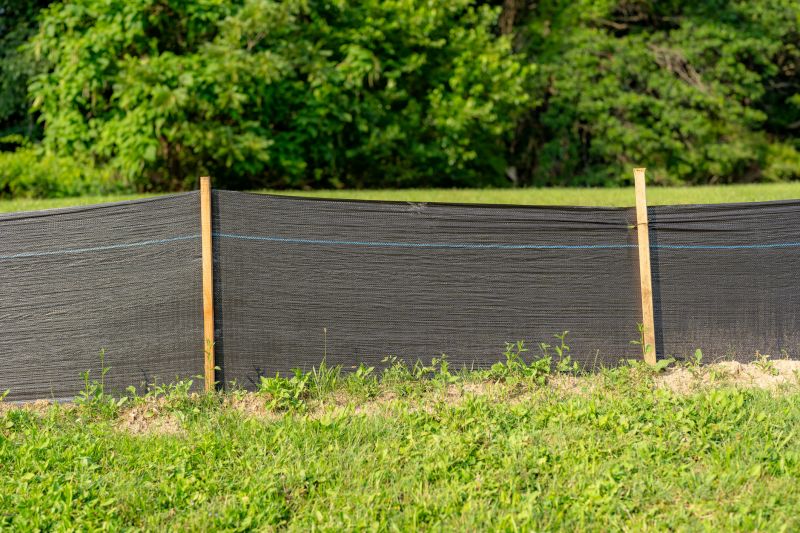
A frequent mistake in Silt Fence Installations and how to dodge it.
Small tweaks to make Silt Fence Installations safer and easier to use.
Lower-waste or water-saving choices for Silt Fence Installations.
The short, realistic tool list for quality Silt Fence Installations.
Rough timing from prep to clean-up for Silt Fence Installations.
| Aspect | Details |
|---|---|
| Best Seasons | Spring and fall are preferred |
| Weather Conditions | Avoid during heavy rain or freezing temperatures |
| Soil Conditions | Stable and not overly saturated or frozen |
| Installation Timing | Prior to soil disturbance activities |
| Regulatory Compliance | Coordinate with local sediment control regulations |
Effective timing of silt fence installation enhances sediment control, reduces erosion, and supports regulatory compliance. Proper planning ensures fences are in place when needed most, particularly before significant soil disturbance occurs. Seasonal considerations and weather patterns play a vital role in installation success, making it important to assess site conditions and weather forecasts carefully.
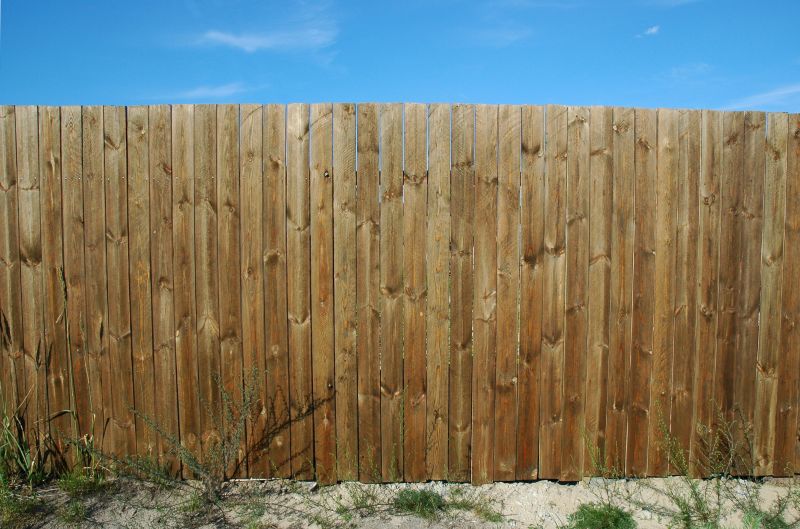
Quick checks and paperwork to keep after Silt Fence Installations.
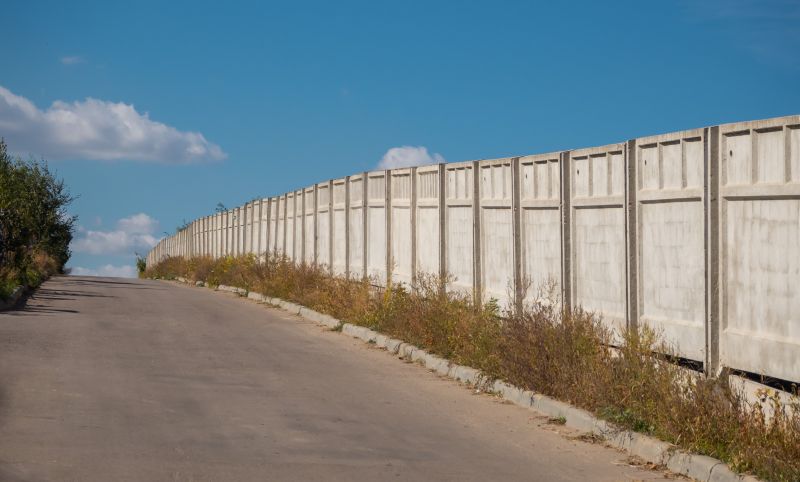
Examples that show the impact a good Silt Fence Installations can make.
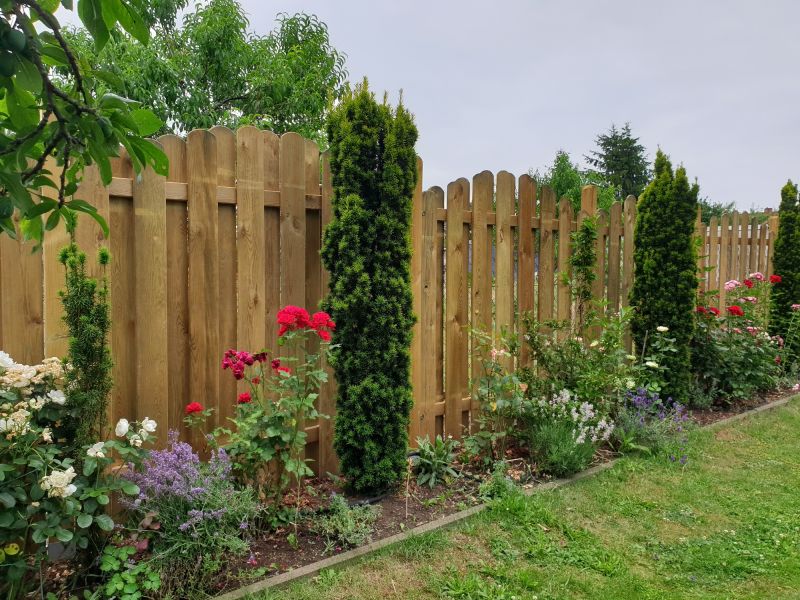
Ways to make Silt Fence Installations work in tight or awkward layouts.
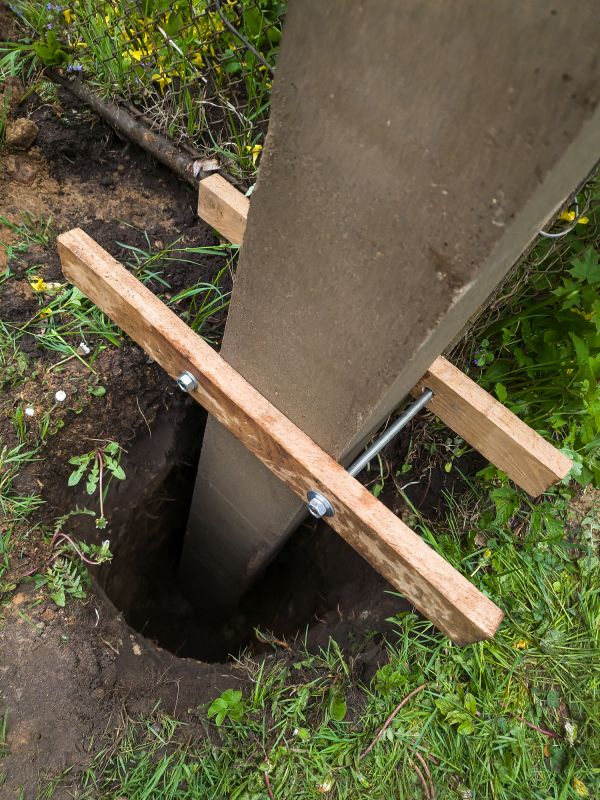
Ways to make Silt Fence Installations work in tight or awkward layouts.
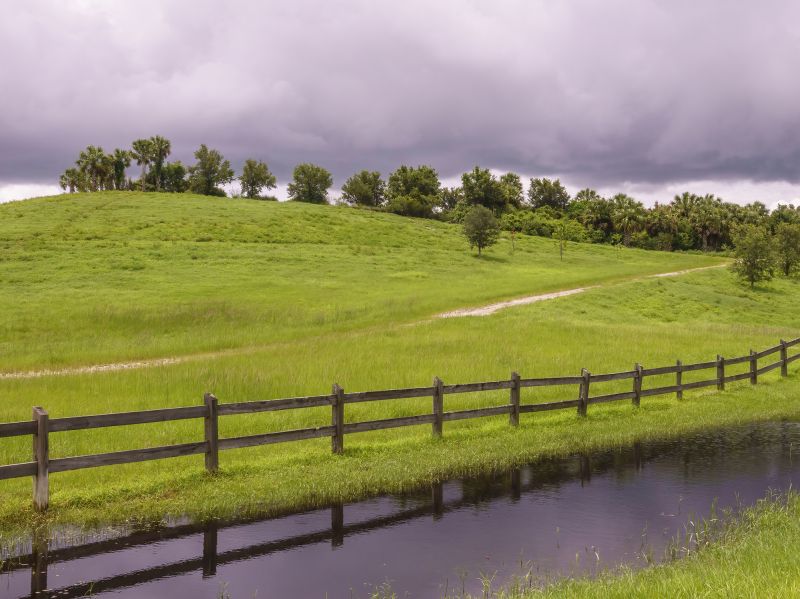
Ways to make Silt Fence Installations work in tight or awkward layouts.
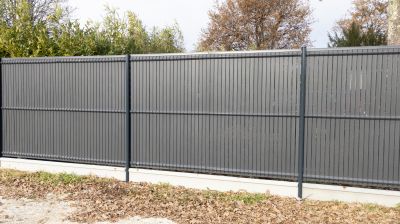
Ways to make Silt Fence Installations work in tight or awkward layouts.
Interested parties are encouraged to contact for more information or assistance with silt fence installations. Proper timing and installation techniques are essential for effective erosion control and compliance with environmental regulations. Filling out the contact form ensures access to expert guidance tailored to specific site conditions and project requirements.