
Expert Picks For Silt Fence Installation Supplies And Equipment
Get insights into the most recommended products that ensure secure and effective silt fence installations.
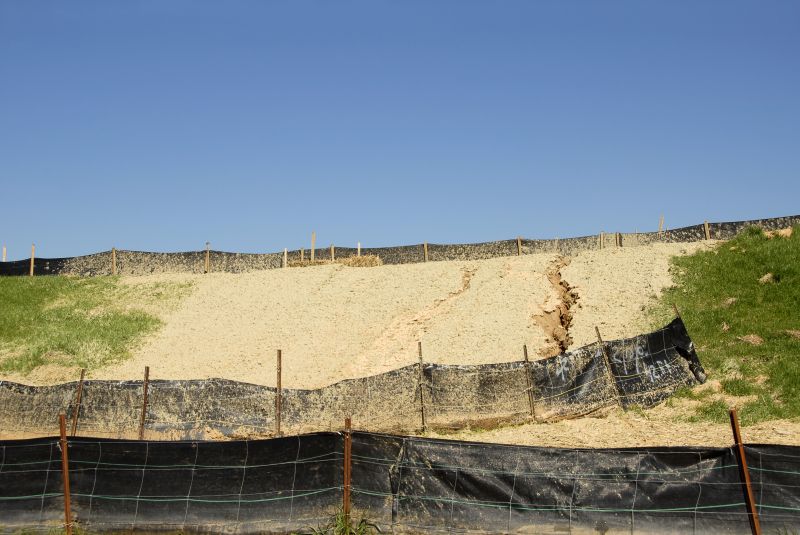 Silt fence installations are essential components in erosion control strategies for construction sites, landscaping projects, and land development. These barriers are designed to intercept sediment-laden runoff, preventing soil erosion and protecting nearby waterways. The effectiveness of a silt fence depends heavily on the quality of its materials and the appropriateness of its installation. Selecting the right products ensures that the barrier performs reliably under varying weather conditions and site demands.
Top Overall Option
Heavy-Duty Silt Fence Fabric
This versatile silt fence fabric is crafted from durable, high-permeability material suitable for a variety of site conditions. Its robust construction offers reliable sediment filtration and resistance to tearing, making it a popular choice for both temporary and long-term erosion control projects. Easy to install with compatible support systems, it provides a dependable barrier for sediment management.
Types of Products For Silt Fence Installations
Standard Silt Fence Fabric
Permeable fabric designed for general sediment control applications, suitable for most construction sites.
Wattles and Sediment Barriers
Flexible, tube-shaped barriers that can be placed along contours or around specific areas to contain runoff.
Steel Support Posts
Heavy-duty posts providing structural support for fabric barriers, available in various heights and gauges.
Wooden Stakes
Traditional support stakes made from treated wood, easy to install and suitable for temporary fencing.
Plastic Support Poles
Corrosion-resistant support options that are lightweight and easy to handle.
Tie-Back Clips and Fasteners
Accessories that secure fabric to support posts, ensuring stability during adverse weather.
Warning and Safety Tape
Markers to alert workers and visitors of the fencing boundaries for safety compliance.
Drainage Matting
Materials placed behind silt fences to improve water flow while trapping sediment.
Erosion Control Blankets
Biodegradable or synthetic blankets used in conjunction with fences for enhanced erosion control.
Roller-Activated Silt Barriers
Innovative barriers that deploy automatically in response to water flow, offering adaptive sediment control.
Reinforced Geotextile Fabrics
Heavy-duty fabrics with added strength for challenging environments and higher flow rates.
Temporary Fencing Stakes
Versatile supports for quick installation of silt barriers in various site conditions.
Heavy-Duty Mesh Nets
Mesh barriers designed to contain larger debris and support fabric fencing.
Sediment Collection Trenches
Excavated channels that work alongside fences to direct and collect runoff sediment.
Portable Silt Fence Systems
Pre-fabricated, easy-to-install fencing units for rapid deployment on active sites.
Popular Choices
Widely used for general sediment control, valued for its permeability and ease of installation.
Commonly chosen for their durability and ability to securely hold fencing fabric in place.
A traditional support option favored for temporary setups and less demanding environments.
Popular for contouring and localized sediment containment.
Selected for challenging sites requiring extra strength and flow resistance.
Essential accessories for securing fencing fabric firmly to supports.
Commonly used to mark fencing boundaries and enhance site safety.
Frequently paired with fences to improve water flow and sediment capture.
Often combined with fencing for comprehensive erosion management.
Preferred for quick deployment and temporary erosion control needs.
Selected for containing larger debris and supporting fabric barriers.
Utilized to direct runoff and collect sediment effectively.
Used to reinforce fencing and maintain integrity during heavy water flow.
Chosen for their lightweight, corrosion resistance, and ease of handling.
Typically, silt fences consist of permeable fabric barriers supported by posts or stakes that are anchored into the ground. The fabric's ability to filter sediment while allowing water to pass through is crucial. Proper installation involves careful planning of fence placement, secure anchoring, and appropriate support systems to withstand water flow and environmental stresses. The choice of materials can influence installation ease, durability, and overall performance.
In addition to fabric and posts, accessories such as silt fence clips, ties, and warning tapes can enhance the installation process and long-term stability. Some products are designed for quick setup with minimal tools, while others offer more heavy-duty solutions for prolonged use. Understanding the site-specific requirements and environmental conditions can help in selecting the most suitable products to ensure effective sediment control and compliance with local regulations.
Key Buying Considerations
- Assess the site’s environmental conditions to select appropriate fabric permeability and support materials.
- Determine the expected water flow and sediment load to choose suitable support structures and fabric strength.
- Consider the installation timeframe and whether quick-setup options are preferred for project efficiency.
- Evaluate the durability and lifespan of materials, especially for longer-term erosion control needs.
- Ensure compatibility of accessories such as clips, ties, and stakes with the chosen fabric and supports.
- Check local regulations and standards to ensure the selected products meet compliance requirements.
- Account for ease of transportation and handling, especially for large or heavy materials.
- Review the availability of replacement parts or support components for ongoing maintenance.
- Consider whether additional erosion control measures, such as blankets or drainage systems, are necessary.
- Factor in the environmental conditions, such as wind, rain, and soil type, that may influence product performance.
- Select products that offer secure anchoring options to withstand environmental stresses.
- Think about the future removal or replacement process and choose products that facilitate easy disassembly.
- Evaluate cost-effectiveness in relation to the project scope and duration.
- Look for products with clear instructions and support resources to ensure proper installation.
- Prioritize safety features, such as visible markers or warning tapes, to protect workers and site visitors.